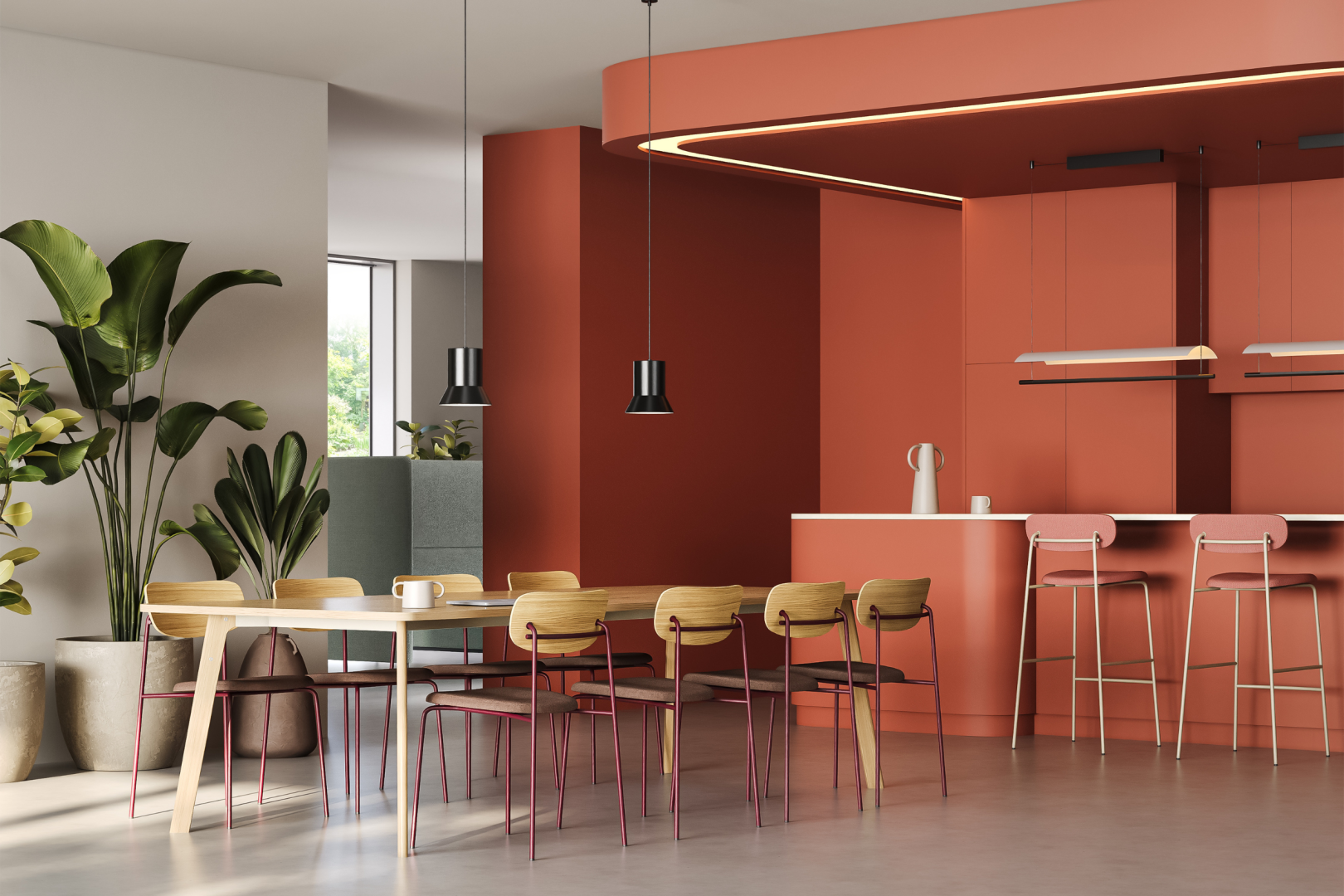
The modern work environment is undergoing a groundbreaking transformation. The office has ceased to function purely as an execution space—an area dedicated exclusively to individual work and task management. Instead, it is becoming a hub for integration, building organizational culture, and fostering authentic interpersonal relationships.
The shift from a task-oriented to a relational model makes creating conditions conducive to frequent, informal interactions a design priority.
The response to these challenges is the concept of Workspitality (a blend of workspace and hospitality), which translates patterns from the hotel and café industries directly into commercial interiors. Ensuring comfort, residential warmth, and inclusivity aligns with the global Human-to-Human Experience megatrend, serving as a reminder that office architecture must primarily serve human emotional and social needs.
Contemporary design trends: from the traditional desk to the "Third Place"
Coined by sociologist Ray Oldenburg, the term "Third Place" previously defined social spaces outside the home (the first place) and work (the second place)—cafés, parks, and libraries where people gather for the pure pleasure of each other's company.
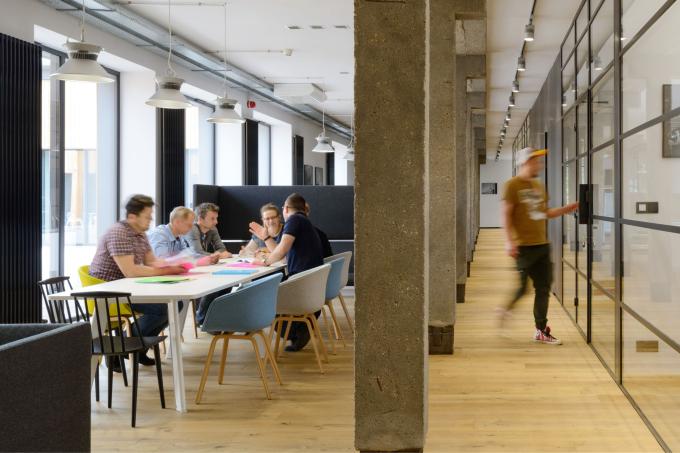
Modern commercial interior architecture blurs these rigid boundaries. Today’s offices adopt the characteristics of "third places," offering café zones, collaboration hubs, and agile relaxation micro-zones.
Implementing Workspitality principles requires a flexible approach from furniture manufacturers. Furniture used in these spaces must respond seamlessly to dynamic team changes, combining crafted aesthetics, softness, and design empathy with rigorous requirements for ergonomics and contract durability.
|
Area |
Traditional Approach (Task-Oriented) |
Workspitality Approach (Relational) |
|
Spatial Layout |
Rigid desk rows |
Fluid boundaries and zoning |
|
Design Objective |
Focus on individual focus work |
Focus on Human-to-Human Experience |
|
Aesthetics |
Cool corporate aesthetics |
Café elegance and organic forms |
|
Workstations |
Static workstations |
Flexible furniture supporting movement |
Product innovations designed for relationships
For over two years, Balma Furniture Factory has consistently expanded its portfolio with solutions that address the need for creating a welcoming work environment. These new additions combine artisanal precision, natural materials, and thoughtful functionality.
Designed in collaboration with Maja Ganszyniec Studio, the Fiori, Pinot, and Huga collections form a modular system supporting authentic connection building within the office.
|
Collections for shared spaces |
||
|
Fiori |
Pinot |
Huga |
|
Versatility and Configuration Freedom: Organic-shaped tables and side tables |
Lightness and Elegance: Fluid-line chairs and bar stools |
Mobility: Bar stools and low stools featuring metal handles and optional castors |
Functionality, versatility, and detail
1. Fiori Collection: Geometry and Nature in Meeting Zones
Fiori tables and side tables break the monotony of traditional rectangular tops, introducing geometry and nature-inspired motifs into the office:
- Organic top shapes: Available in square, circular, and a distinctive flower motif. These shapes can be freely combined to build custom configurations in office cafés and co-working zones.
- Thoughtful practical detail: The table base is engineered to serve as both a stable foundation and a discreet hook for a handbag or backpack. This subtle feature keeps personal items safe and frees up space around the tabletop.
- Broad versatility: The collection includes low coffee tables, standard-height tables, and high (poseur) tables, allowing for cohesive schemes across reception areas, welcome zones, or staff breakrooms.

Fiori tables, design: Maja Ganszyniec Studio
2. Pinot Collection: Café Elegance and Space Protection
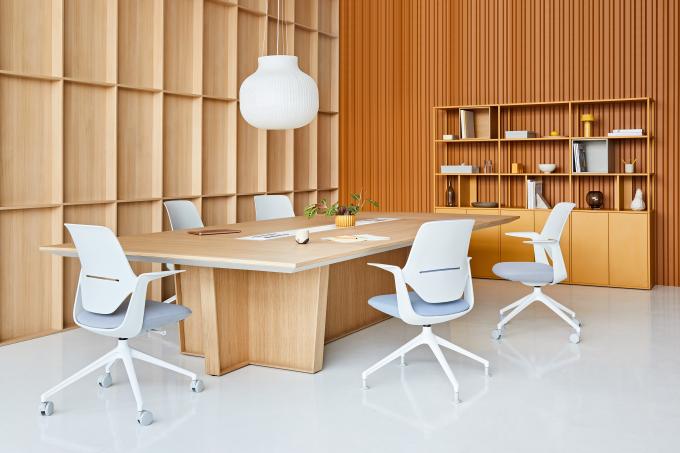
The Pinot collection brings lightness and refined form into the interior, giving the furniture a visual subtlety reminiscent of a hand-drawn sketch:
- Functional geometry: The rear legs of Pinot chairs and bar stools sweep backwards past the backrest profile. This deliberate construction keeps the piece at a safe distance from the wall, protecting walkways and partitions from scuffs and marks.
- Backrest handle and shortened armrests: The contoured handle, an extension of the frame line, makes sliding and moving the chair effortless, while shortened armrests allow greater freedom of movement.
- Choice of finishes: Available in natural veneer and upholstered variants, making it easy to adapt the furniture for executive boardroom spaces, refined canteens, or office stand-up areas.

Pinot Collection, Cascara table, design: Maja Ganszyniec Studio
3. Huga Collection: Mobility Supporting Dynamic Movement
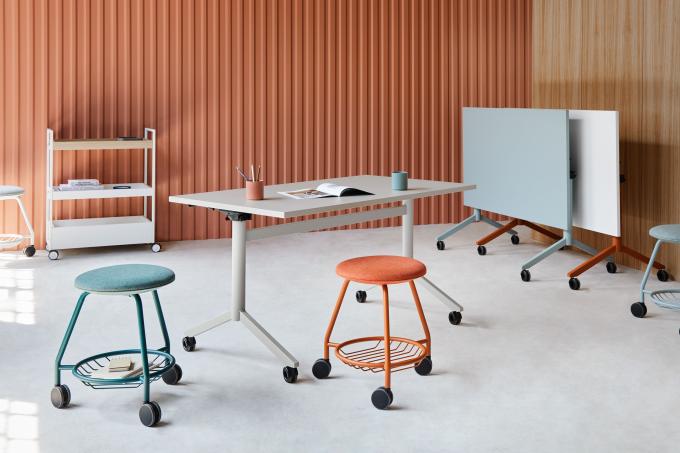
The Huga range of bar stools and low stools was created to actively support daily team agility and spontaneous interaction:
- Frame-integrated handles: The signature metal construction features convenient handles that encourage users to intuitively grab and move the seating wherever it is needed.
- Optional castors and full mobility: Thanks to its lightweight form and optional castor-fitted base, Huga seating enables the rapid creation of temporary micro-zones for discussions beside desks or project tables within seconds.
- Material flexibility: Seats are available in warm timber veneer or upholstered finishes, facilitating cohesive agile work environments.

Huga bar stools, design: Maja Ganszyniec Studio
Functional Comparison in the Workspitality Zone
|
Collection |
Furniture Type |
Key Details & Distinguishing Features |
Dedicated Application |
|
Fiori |
Tables and side tables (coffee, standard, high/poseur) |
Flower-, circle-, and square-shaped tops; integrated bag hook |
Office cafés, lobbies, welcome and co-working zones |
|
Pinot |
Chairs and bar stools |
Lightweight lines, wall-protecting splayed rear legs, backrest handle |
Office canteens, stand-up zones, conference rooms |
|
Huga |
Bar stools and low stools |
Metal frame handles, optional castors, high mobility |
Agile zones, relaxation micro-zones, quick huddles |
Summary
Transforming the office into a destination where employees want to be requires moving away from cold, strictly task-oriented spatial layouts. Adopting a Workspitality approach and building authentic "third places" within the organization creates the right conditions for team cohesion and corporate culture development.
Balma’s latest product launches demonstrate how to combine residential warmth, refined architectural detailing, and ergonomic standards. They serve as versatile tools for architects designing human-centric, relationship-driven environments.
Frequently Asked Questions (FAQ)
1. How do Fiori tables fit into the Workspitality concept?
The Fiori collection moves away from standard rectangular tabletops. Introducing organic forms (such as the flower motif) and comfort-boosting features (a bag hook built into the table base) helps create a relaxed, café-style atmosphere in the office that encourages informal conversation.
2. How does the Pinot collection protect interior surfaces?
The rear leg geometry on Pinot chairs and bar stools extends backwards beyond the backrest perimeter. This ensures the frame contacts the floor at a safe distance from the wall, preventing the backrest from striking partitions.
3. Are Huga stools suited for dynamic project spaces?
Yes. They are engineered specifically for mobility, featuring handles integrated directly into the metal frame and optional castors, allowing instant space reconfigurations without heavy lifting.
Sources and Bibliography
Technical Content:
- Estera Gryzia, Marketing Department, Fabryka Mebli Balma S.A.
Market Analysis & Literature:
- Fabryka Mebli Balma S.A., Fiori Collection – Description and Configuration Options, link accessed: 03/09/2026.
- Fabryka Mebli Balma S.A., Pinot Collection – Specifications and Functionality, link accessed: 03/09/2026.
- Fabryka Mebli Balma S.A., Huga Collection – High Stools and Mobile Stools, link accessed: 03/09/2026.
- Oldenburg R., The Great Good Place: Cafes, Coffee Shops, Bookstores, Bars, Hair Salons and Other Hangouts at the Heart of a Community, Da Capo Press, 1999.
- Gensler, Global Workplace Survey: The Emerging Role of Hospitality in Workspace Design, link accessed: 03/09/2026.
- Leesman Index, The Workplace Experience Revolution: Hospitality in the Office, link accessed: 03/09/2026.